Braces
Conventional
Brackets plus archwire with ligatures. Highly versatile for mild to complex cases.
- Fine control of rotations and bite
- Metal or ceramic options by case
- Adjustments about every 4–8 weeks
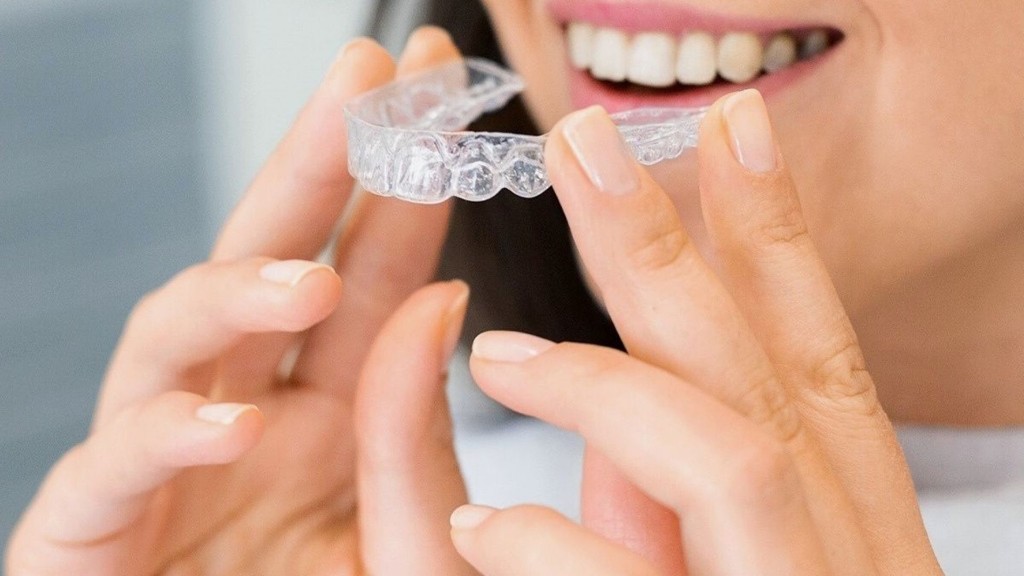
Braces, self-ligating systems, or clear aligners. We diagnose your case and choose the right option — not a one-size appliance.
It is used to diagnose, prevent, and treat malocclusion (bad bite), as well as crowded, crooked, or gapped teeth.
In consultation we choose braces, self-ligating braces, or aligners based on your real case — not trends. Without records, there is no serious plan.
Same biology of tooth movement; different control and esthetics. We guide you with clinical honesty.
Braces
Brackets plus archwire with ligatures. Highly versatile for mild to complex cases.
Braces
Built-in clip instead of elastics. Quicker wire changes; overall time is usually similar to conventional braces.
Trays
Removable clear trays that move teeth in stages. Strong when the case allows and wear compliance is high.
Dental alignment cases with orthodontics. Results vary by patient.
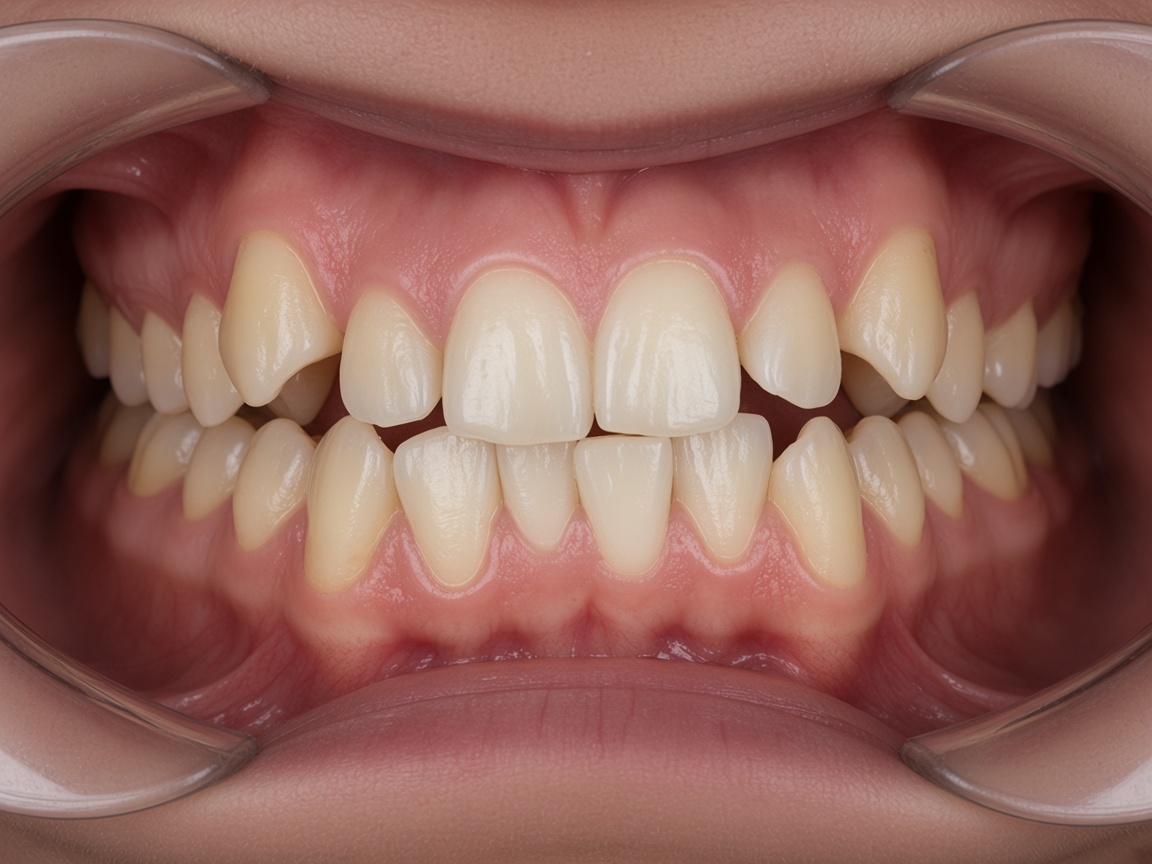
Drag the center control to compare before and after.
Upper and lower crowding correction — teeth aligned within the arch.
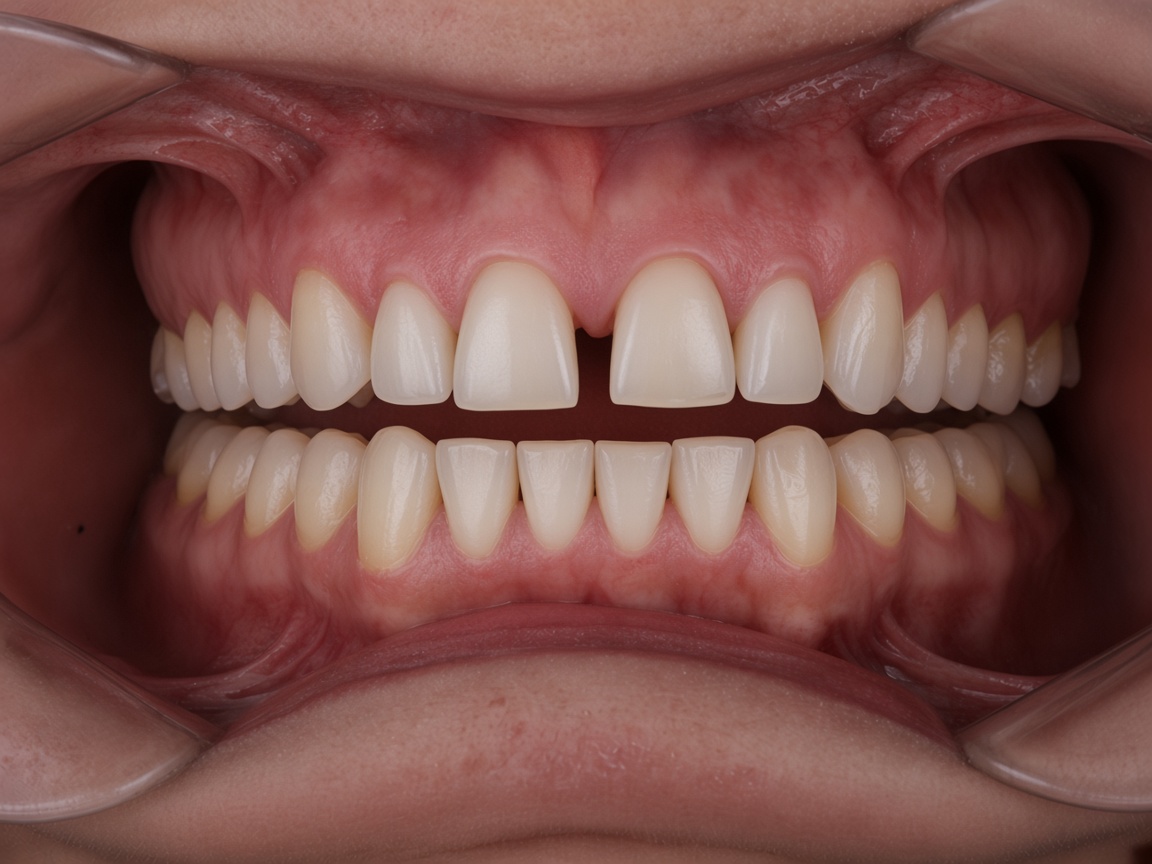
Drag the center control to compare before and after.
Diastema and spacing closed — a continuous smile without visible gaps.
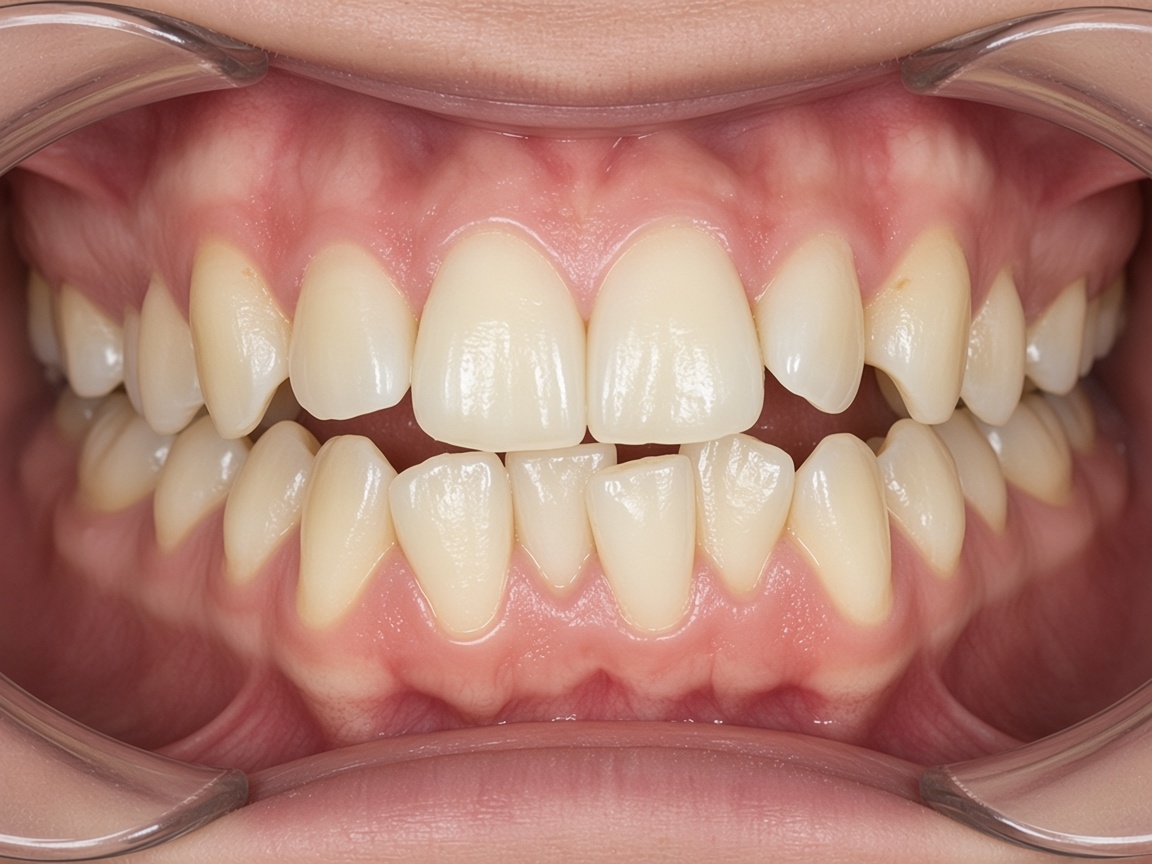
Drag the center control to compare before and after.
Protrusion and high canine corrected — more harmonious bite and aesthetics.
Images of real cases for illustrative purposes. Results vary by patient and do not guarantee identical outcomes.
It improves function and aesthetics — and protects teeth and joints long term.
Diagnosis → appliance → follow-ups → retention. Typical duration is 12–24 months depending on complexity.
Message us on WhatsApp. Dr. Dafne De los Santos reviews your inquiry and guides you to book a consultation in Ciudad Juárez.